
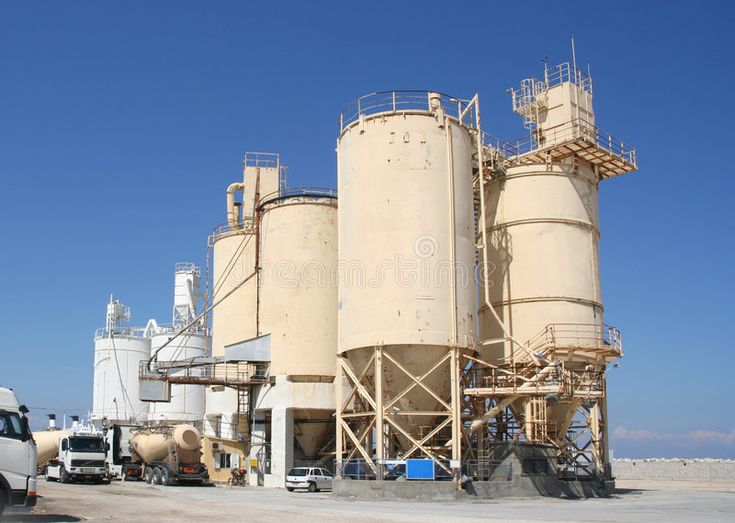
Most sites don’t lose money on cement because of price. They lose it because the system around cement is messy. A blocked auger. A failed inspection. Bags of hardened cement that nobody can explain. Then suddenly it’s a problem that stops the whole job.
The fix is simpler than most sites make it: Match your silo type and size to your actual daily cement usage, install it on solid footings with the right safety equipment including pressure relief valves, high-level alarms, and dust control, and stick to a maintenance schedule. Do those three things and 90% of silo problems simply don’t happen.
At Batchcrete International, we built our cement storage and dispensing range because we kept seeing sites lose money on systems that were either the wrong size, badly installed, or only maintained when something broke.
I’m breaking down the truth about portable versus stationary silos, the real math behind sizing your storage, and why “just get the biggest one” is actually a trap that wastes money and site space.
Key Points
- Size your silo to your actual daily cement usage. Oversizing ties up money and site space without any real benefit.
- Pressure relief valves and high-level alarms are not optional. They are what stands between a safe silo and a structural failure.
- Most flow problems, auger blockages, and cement hardening issues come back to moisture or a maintenance schedule nobody’s following.
- A clear daily to annual maintenance checklist prevents the vast majority of major silo problems before they ever happen.
How a Cement Silo Works: Key Components and How They All Fit Together
A cement silo isn’t just a big steel tube. It’s a full system and if you don’t know the parts, you can’t find the problems.
- At the top is the inlet and filter assembly. This is where the delivery tanker connects and pushes cement in. Air escapes through the filter while the cement settles.
- Just below that sits the pressure relief valve, your safety backup if pressure builds up too fast inside.
- Inside the silo, aeration pads push small amounts of air through the cement to keep it loose and flowing. Without them, cement packs down and blocks.
- At the bottom is the discharge cone, which feeds into an auger (a rotating screw) that moves cement out to your mixer or batching equipment.
- You also have a high-level alarm that signals when the silo is nearly full, a dust collector to stop cement dust escaping during filling, and sometimes load cells to weigh exactly how much cement is left.
Every single one of these parts matters. Skip one and you’re not running a silo. You’re running a risk.
How to Choose the Right Cement Storage and Dispensing System for Your Site
This is where most buying decisions go wrong. People pick based on what a mate used last job, not what actually works for their site.
Portable vs. Stationary Cement Silos
Portable silos sit on skids or wheels. You can move them between sites without a crane and a long planning process. Stationary silos are fixed in place, bolted to a concrete pad, and built for high-volume, long-term use like permanent batching plants or precast yards.
If your project runs six to twelve months and then you’re moving on, portable is the smarter choice. If you’re running the same fixed operation for years, stationary pays off. I’ve seen contractors buy stationary silos for short jobs and then spend more relocating them than they ever saved. That’s a painful and avoidable lesson.
A civil contractor running a mid-sized project in Brisbane switched to one of Batchcrete International’s portable silo setups specifically because their project timeline kept shifting. They needed something they could move without a full dismantling process. The flexibility alone saved them weeks of planning across two site relocations.
Cement Silo vs. Bulk Bag Dispenser
Bulk bag dispensers work well for lower daily volumes, under a tonne or two per day. But as soon as you start using a silo for more than that, it becomes less expensive per ton, quicker to load and unload, and reduces the amount of manual labor that leads to back problems and slows down your workers.
What Size Cement Silo Do You Need?
Simple formula: take your average daily cement use, multiply it by how many days you want between deliveries, then add 15 to 20% extra as a buffer for late deliveries.
If you use 2 tonnes a day and want weekly deliveries, you need roughly 14 to 16 tonnes of capacity. Not 30. Bigger isn’t always better. An oversized silo ties up money and takes up site space you might need elsewhere.
Cement Silo Hire vs. Purchase
Hiring suits short projects, jobs with uncertain timelines, or when you don’t want maintenance responsibility sitting on your books. Buying makes sense when you’re using a silo consistently.
The numbers usually break even somewhere between 12 and 18 months of regular use. Run the numbers on your own project before you decide either way.
Site Preparation and Installation: What You Need Before Your Silo Arrives
Getting the silo delivered is the easy part. Getting the site ready? That’s where jobs stall.
Do You Need a Concrete Foundation?
For stationary silos, almost always yes. Your pad needs to be level and rated to handle the full weight of a loaded silo, not just the empty one. A lot of people only account for the silo’s empty weight and get a nasty surprise when it’s full.
Portable silos on firm, compacted ground can sometimes skip the concrete pad, but always check the supplier’s spec sheet first. A leaning silo isn’t just inconvenient. It’s genuinely dangerous.
Receiving a Bulk Cement Delivery Safely
Confirm the tanker can access your site. Check width, height clearance, and turning space before the truck arrives, not while it’s already blocking the gate.
Make sure the filter and pressure relief valve are clear before filling starts. Watch the pressure gauge throughout the whole fill, not just at the start. Keep anyone not involved in the delivery away from the silo while filling is happening.
And never go above the rated fill level, even if the driver says it’ll be fine. Delivery tankers can withstand pressures up to 2 bar (29 psi), but storage silos can rupture at as little as 1 to 2 psi above atmospheric pressure. That gap is where serious incidents happen.
Transporting and Relocating a Portable Silo
Moving a portable silo is not a “hook it up and go” job. Check ground conditions at the new location before you arrive. Look for overhead powerlines along the transport route.
Make sure the silo is empty, or as close to empty as possible, before any lifting happens. A silo with cement still inside that shifts during transport is how serious accidents happen.
Cement Silo Safety and WHS Compliance in Australia
Construction carries a heavy share of Australia’s workplace injuries. Tragically, 188 workers lost their lives due to traumatic injuries in 2024, and there were 146,700 serious workers’ compensation claims involving at least one week of working time lost in 2023 to 2024. That’s more than 400 serious claims a day across Australia. (Source)
And construction is consistently named as one of the highest-risk industries in that data. Silo safety isn’t paperwork. It’s part of protecting real people on real sites.
Pressure Relief Valves & High-Level Alarms
Cement silos are not built to handle internal pressure build-up. That’s why a properly sized pressure relief valve is essential. It releases pressure before the silo shell takes damage.
Alongside that, a high-level alarm tells the operator to stop filling before cement gets too close to the filter. Both need to be installed correctly and checked regularly, not just ticked off on a commissioning form and forgotten.
Preventing Overfilling, Dust and Overpressure
When a silo overfills, the filter blinds, pressure builds, and the silo shell can buckle. In the worst cases of neglected silo protection, pressure build-up can blow filter units from the silo roof, causing extensive damage and endangering the lives of workers below. This can happen if the filters become clogged, or if tanker drivers apply more pressure than the silo can handle. (Source)
I’ve walked onto sites where the high-level alarm had been disconnected because “it kept going off.” That’s not solving the problem. That’s removing the warning before the crash. Fix the root cause. Don’t silence the alarm.
5 Signs Your Cement Dispensing System Is Costing You Money
You won’t always see a failing system fail outright. It bleeds money slowly and most sites don’t notice until it’s already significant.
- Deliveries are coming more often than your usage should need. That’s a sizing problem. You’re probably running too small a silo for your daily consumption.
- Cement is hardening or bridging inside the silo. Every blocked batch means downtime, and downtime costs money on every front.
- Your auger jams regularly. Weekly jams point to moisture, wear, or a mismatch between your auger type and the cement grade you’re running.
- Dust escapes during filling. That’s not just a compliance risk. That’s cement you already paid for disappearing into the air.
- Nobody on site knows the maintenance schedule. If it’s not written down and assigned, it’s not getting done. And if it’s not getting done, small issues turn into expensive ones fast.
Troubleshooting Common Cement Silo and Dispensing Problems
It’s very common to have problems in your cement silo. But knowing the solutions can ease your job.
-
Why Cement Goes Hard or Lumpy
Cement absorbs moisture from the air. That’s called being hygroscopic. Add in the weight of cement pressing down from above, and you get bridging where cement arches across the cone and stops flowing, or hard build-up forming on the silo walls. When the aeration pads aren’t working properly, this gets much worse, much faster.
-
Effect of Heat, Humidity & Rain on Stored Cement
Australia’s climate creates real storage problems. High humidity in coastal Queensland and NSW speeds up moisture absorption significantly. Extreme heat in Western Australia and inland areas causes condensation inside the silo when temperatures drop overnight.
In the north, the wet season puts extra pressure on seals and filter integrity. These aren’t theoretical risks. I’ve seen silos in regional WA where overnight condensation alone turned a significant portion of stored cement into a solid mass that needed to be physically removed.
-
Cement Not Flowing From the Silo
Three main causes: bridging above the discharge cone, a blocked aeration system, or a stuck slide valve. Start with the simplest check which is the valve, before you assume it’s a bigger structural problem. Nine times out of ten it’s the simplest thing that gets overlooked.
-
Cement Auger Keeps Blocking
Moisture getting into the auger housing, worn flighting, or running the auger when it’s empty are the three most common causes I see come up again and again. Inspecting the auger flighting regularly catches wear before it becomes a full replacement job. Don’t wait until it jams completely to investigate.
Cement Silo Maintenance Checklist: Daily, Monthly, Annual and Service-Hour Tasks
Daily:
- Visual check of pressure relief valve. Look for powder residue or any visible damage
- Confirm high-level alarm is functioning before any delivery
- Check seals and filter housing for dust leaks
Monthly:
- Inspect auger flighting for wear and check for partial blockages
- Test aeration pad performance
- Check load cell and weighing system accuracy if fitted
Annual:
- Full structural inspection of the silo shell for corrosion or cracking
- Formal pressure relief valve function test
- Recalibrate dispensing and weighing equipment
Service-Hour Based (follow manufacturer specification):
- Auger flighting replacement
- Filter element replacement
- Bearing and seal servicing
How to Clean Out a Cement Silo
A full cleanout should happen when switching cement types, after the silo has sat idle for an extended period, or when hardened build-up is visibly reducing usable capacity. Follow confined space entry procedures if any internal access is required.
Remove hardened material from the walls and discharge cone, then inspect the internals for corrosion, cracks, or wear while you have the access. It’s one of those jobs that’s easy to put off and genuinely costly when you do.
Portable vs. Stationary: Quick Comparison
| Factor | Portable Silo | Stationary Silo |
| Best suited for | Short to medium projects, multiple sites | Fixed, long-term batching operations |
| Foundation required | Stabilised ground often sufficient | Concrete pad required |
| Can it be relocated? | Yes, skid or wheel-mounted | Difficult, requires dismantling |
| Upfront cost | Lower | Higher |
| Long-term cost efficiency | Better for shorter projects | Better for continuous, years-long use |
Frequently Asked Questions
1. Do cement silos need a permit in Australia?
It depends on your state and council. Larger stationary installations often need a building or development approval. Check with your local authority before you start installing anything.
2. How often should a pressure relief valve be tested?
A full function test at least once a year. But do a quick visual check daily. Powder residue around the valve is an early warning sign you don’t want to miss.
3. Can a cement silo be installed without a concrete pad?
Portable silos on stable, well-compacted ground sometimes can. Stationary silos almost always need a proper concrete foundation. Check your supplier’s specification before assuming either way.
4. Why does my auger keep jamming even after I clean it?
Cleaning fixes the blockage but not the cause. Check for worn flighting or moisture getting into the housing. Those are usually the real problem sitting underneath.
5. Is it cheaper to hire or buy a cement silo?
For projects under 12 months, hiring is usually the better financial call. Beyond that, purchasing generally becomes more cost-effective. Run your actual numbers before committing.
Your First Step
Don’t start with a brochure. Start with your last three months of cement delivery dockets. Work out your actual average daily usage. Then match that number against the sizing guide above.
That one calculation tells you more about what system you need than any spec sheet will, and it’s the exact first question we ask every site manager who contacts Batchcrete International.
Once you know your number, browse the full range of cement storage and dispensing equipment at Batchcrete International.
