
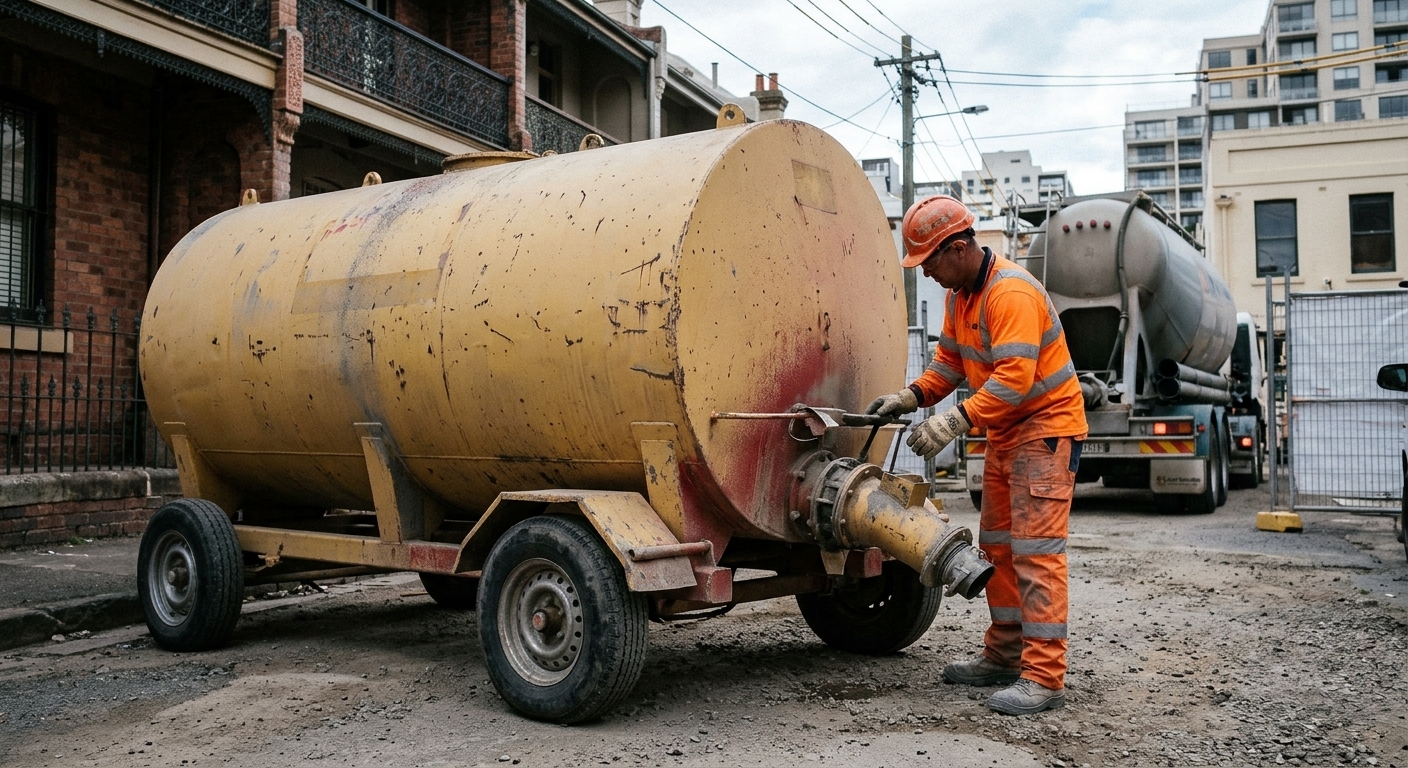
Sydney Construction is a total headache. Space is expensive, the council is always watching, and getting a crane onto a tight street can cost a fortune in permits.
You are already fighting traffic and tight deadlines, so the last thing you need is a storage system that stalls your work.
Choosing between a portable silo and a vertical silo depends on your site access, ground space, and how long the job lasts.
Vertical silos are best for permanent plants with tiny ground space.
Portable silos, like the mobile horizontal cement silo, are better for urban Sydney sites with height limits because they need no cranes or heavy foundations and set up in just four hours.
For most short-term Sydney projects, the transportable silo is the smarter, cheaper move.
As a specialist cement storage silo manufacturer, I know the wrong choice eats your profit before the first pour.
I’m breaking down the truth about the low-profile silo, the math behind site footprints, and why the common advice to “just go vertical” is often a trap that costs you more in the long run.
Key Takeaways
- Choose a mobile horizontal silo to avoid crane hire and expensive foundation costs.
- Vertical cement silos are better when your ground space is tiny but you have plenty of height.
- Transportable silos allow for fast mobilization and demobilization, which is perfect for temporary work.
- For permanent plants with high cement consumption, a large segmental vertical silo is the best long-term choice.
Is the Tall Vertical Silo Getting Outdated?
I have been on sites in the Sydney CBD where a traditional vertical silo was totally impossible. There were overhead power lines and strict height limits.
If you tried to stand a tall bin up there, the council would shut you down in ten minutes. But that does not mean the vertical design is useless. It just has a very specific job.
When Ground Space Is Your Only Problem
If you are running a permanent batching plant in a tiny industrial corner, the vertical cement silo is your best friend. Because it goes up instead of out, you save a massive amount of ground space.
You can fit a 100t vertical unit in the same space a small truck takes up. If you have the height, vertical is the most efficient way to store bulk cement.
Moving the Big Guys
Modern telescopic silos allow you to collapse the unit so it is easier for transportation. And if you need massive storage, like five hundred or even ten thousand tonnes, segmental silos are the way to go.
These arrive in pieces and get bolted together on site. They are a great bulk material cement storage solution for high-volume concrete production.
We at Batchcrete International focus on accurate sizing of silos to make sure you aren’t paying for more steel than you actually need.
Why the Portable Cement Silo Is Winning in Sydney
Sydney sites are famously cramped and difficult to reach. You often have zero room for a massive crane to lift a fifty-tonne vertical bin into place.
This is where the transportable silo or horizontal cement silo really shines.
The “No Crane” Setup
The mobile horizontal silo is a masterpiece for site selection flexibility. These units, which range from 20t to 106t, require no foots and no cranes to set up.
Because they sit low to the ground, they have a low profile that keeps neighbors happy.
You can have one of these fully operational in four hours. That is the difference between starting your pour on Monday morning or waiting until Wednesday for a crane permit.
Getting into Tight Spots
What about site access? In places like Surry Hills, you cannot always get a massive cement tanker into the perfect position.
A transportable silo can be dropped exactly where you need it.
Because these units come fully equipped with their own screw conveyor and weigh hopper, they are ready for direct feed into mixer trucks or industrial mixers. It makes the whole batching plant setup much simpler.
The Crane Trap: What Everyone Gets Wrong
Most people think gravity discharge in vertical silos is “free energy.” They think it’s better because the cement just falls out. But this is a common trap.
While gravity does help the material flow, the cost of the structural steel and the massive foundations needed to handle the wind is huge.
When a vertical silo is empty, it acts like a giant sail. In a Sydney storm, that sail pulls on its concrete slab with incredible force.
If you go vertical, you are spending money on engineering and slabs that you might never get back. A horizontal silo distributes that weight across the ground. Because of this, you often do not need a specialized slab at all.
Just firm, level ground.
SafeWork NSW and Compliance: The Rules You Can’t Skip
You don’t want a visit from SafeWork NSW because your silo isn’t safe. Compliance is not just about paperwork; it’s about keeping your crew safe and your site open.
Pressure Relief Valve: Every silo needs a working safety valve. If air cannot escape during a bulk cement delivery, the silo could literally pop like a balloon.
Dust Control: Sydney air quality rules are very strict. Your filters must be maintained so you don’t coat the neighbors’ cars in grey dust.
Level Indicators: You need to know how much powder is left. Overfilling a silo is a recipe for a blocked filter house and a massive, expensive cleanup bill.
Auger Guarding: The screw conveyor is a powerful machine. Proper guarding is a must to prevent accidents during material transfer.
Comparing Silo Types: Which One Fits Your Site?
| Feature | Vertical Silo (Fixed) | Mobile Horizontal Silo |
| Ground Space | Very Small | Moderate |
| Setup Time | 2 to 3 Days | 4 Hours |
| Crane Needed? | Yes | No |
| Height Risk | High | Low |
| Foundation | Heavy Concrete Slab | Firm, level ground |
People Also Ask (FAQ)
1. Do I need a special permit for a vertical silo in Sydney?
Usually, yeah. Because they’re tall, you’ll need to check with the council about height limits and flight paths. And your silo needs to meet Australian wind load standards too, so don’t skip that step.
2. Can a mobile silo stay on one site long-term?
Yep, plenty of people run mobile silos as their permanent setup. They’re easy to maintain, and you’re not stuck building something permanent on land you might only be leasing anyway.
3. Is it cheaper to buy or lease a cement silo in Sydney?
Depends on how long you need it. For a short job, leasing almost always works out cheaper. But if you’re running a site for years, buying usually pays for itself.
4. What happens if a mobile silo isn’t set up on level ground?
It becomes a stability risk, plain and simple. Even a mobile silo needs a flat, compacted surface, otherwise you’re looking at tipping risks once it’s loaded up.
5. Can I upgrade from a portable silo to a vertical one later?
Yes, happens all the time as projects grow. Just worth planning your site layout early so you’ve actually got room for foundations down the track.
Portable or Vertical? Here’s Where You Start
Don’t let your storage system tell you how to run your project. If you are struggling with height limits or high crane costs, you are probably using the wrong silo.
The first step is to look at your site access and height. If you have overhead wires or neighbors close by, go horizontal. If you have almost no ground space, go vertical.
Ready to get your material moving without the hassle? Talk to us at Batchcrete International about our cement storage silos and let us help you pick the one that actually fits your Sydney site.
