
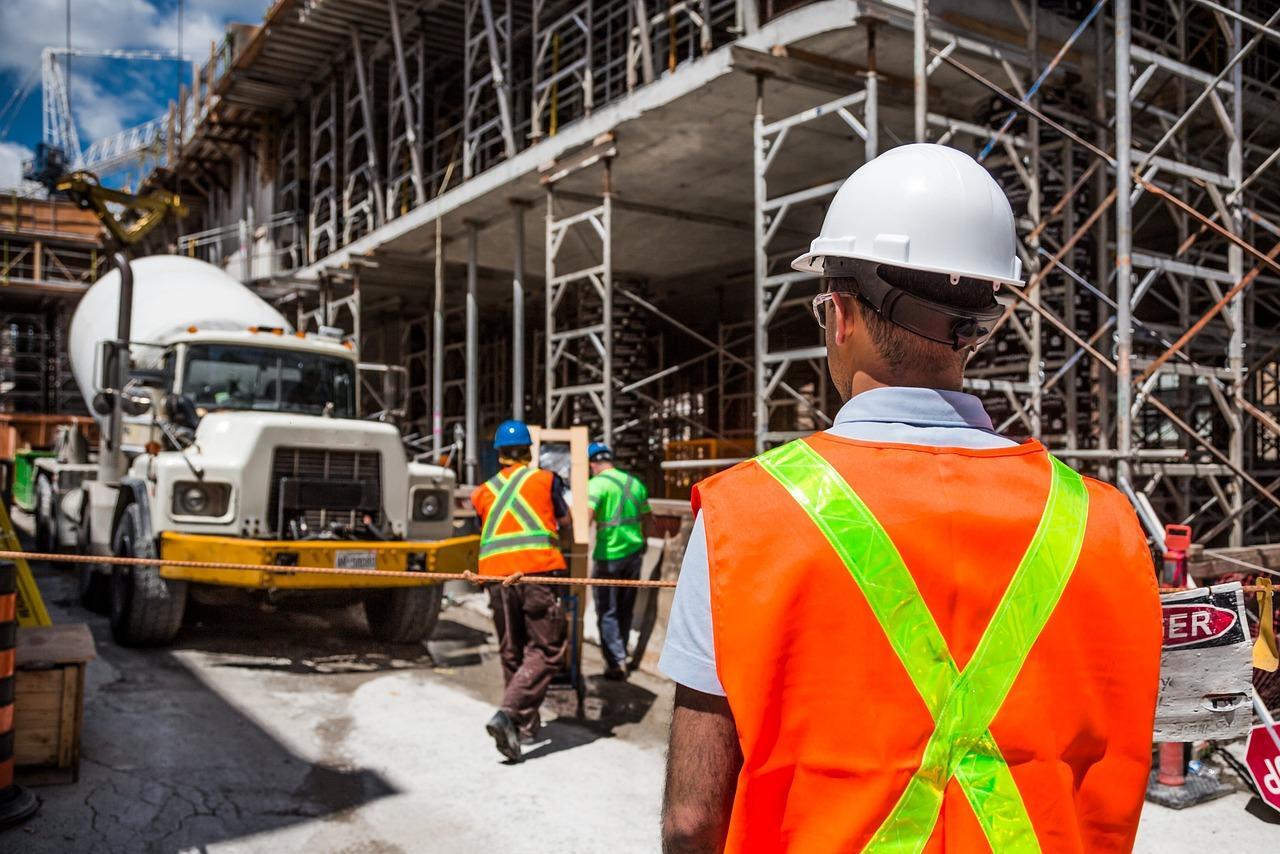
The fastest way to stop concrete delivery delays on Sydney building sites is simple. Treat the pour like a logistics job, not just an order. Book your ready mix concrete Sydney supplier at least 48 hours in advance, check site access before the truck leaves the plant, confirm the pour schedule the night before, and make sure there’s one clear point of contact on site.
Do these four things and most delay risk disappears before the truck even starts moving.
I’m breaking down the truth about booking windows, the real math behind truck waiting fees, and why “just order early” is actually bad advice if your site isn’t ready.
Key Points
- Make sure to book concrete in Sydney at least 48 hours ahead and longer during busy periods.
- Traffic, site access problems, and poor supplier contractor communication top the list in truck delays.
- Book both the coordinate pump and concrete delivery together with one site contact managing both bookings.
- Mini mix concrete trucks are the best options for smaller loads and narrow access.
Why Do Concrete Trucks Show Up Late on Sydney Sites?
For most project managers, traffic is the problem. But there’s more to it.
Heavy traffic in urban centres may delay concrete delivery trucks and thus impact the quality of the mix. Therefore, local traffic rules and rush hours need to be considered during the delivery planning process.
However, there’s much more than that. Communication problems between the supplier and the construction manager may result in the wrong quantity, delayed delivery, higher costs or incorrect mix.
The Clock Starts the Moment Water Hits Cement
Here’s what most people don’t realise: ready mixed concrete is essentially a living material with a limited working window. From the moment water is added to the cement at the batching plant, chemical reactions begin that gradually transform the mixture from a workable liquid into a solid mass, a process known as hydration that cannot be reversed once it begins.
Industry rules of thumb often point to a 90 minute limit. But that number isn’t as fixed as most builders think. In April 2021, ASTM C94/C94M-21 was updated with two significant changes that do away with the 90 minute default time limit for ready mixed concrete, because delivery time can vary on projects depending on distance or placement methods.
The purchaser now states a time limit from the start of mixing to when discharge must be completed, and if no limit is stated, the manufacturer establishes and communicates one prior to delivery. So talk to your supplier about your actual time limit.
Small Delays, Big Waste
I’ve seen a well planned pour in Blacktown fall apart, not because the truck was late, but because the crew wasn’t ready when it turned up. It happens more often than people like to admit.
Even when the ready mix concrete arrives in time, there could still be issues at the construction site. When the labour is not ready for pouring right away, the mixture in the truck may sit there too long and begin to lose its workability.
How Early Should You Book Ready Mix Concrete in Sydney?
Booking early isn’t enough. Booking smart is what actually matters.
Deliveries don’t happen in isolation. Getting the timing right takes real coordination between everyone involved, each juggling their own schedules and constraints. The batching plant has to line up production with truck availability, while the site team needs to be ready to place the concrete the moment it arrives.
And here’s the part people miss: booking the truck and booking the pump are two separate jobs, on two separate schedules. Coordinate them together, ideally on the same call, so neither party is guessing about the other’s timing.
What Should You Tell Your Concrete Supplier Before Booking?
Vague bookings get vague service. Before you call, have this ready:
- Exact volume in cubic metres. Not a guess.
- MPa strength required, confirmed against your engineer’s spec.
- Slump rating. Pump pours often need a different slump than direct chute.
- Site address plus nearest cross street, not just the suburb.
- Access restrictions, such as narrow driveways, overhead wires, or weight limits.
- Pump hire details, if a boom or line pump is needed.
- Pour window with a buffer, not a rigid single time.
- A direct mobile number for the person actually on site.
Get Your Site Ready Before the Truck Arrives
Do not ignore this step; it is more important than you would ever imagine.
- Clear a firm path for the truck. If the delivery truck reaches the site and it is unprepared, then it will lead to delays in pouring or rejected batches, and without a clear path, the concrete might set up before its use.
- Widen access points. Concrete trucks are big and heavy and need enough space to arrive, manoeuvre, and unload materials; otherwise, the trucks will have to wait and risk the setting up of the concrete.
- Tell your neighbours. Pours are loud and can block narrow streets.
- Set up a proper washout area, away from stormwater drains.
- Brace your formwork before the truck rolls up.
- Confirm steel mesh and rebar are locked in place.
- Have your finishing crew physically standing there, not “on the way.”
Is Mini Mix Concrete Better for Tight Sydney Sites?
For the right job, yes. But it’s not a fix all.
Mini mix trucks are built for suburban and tight access work. They’re smaller, more agile, and able to turn into narrow laneways in the Inner West or tight rear access blocks in the Eastern Suburbs where a standard truck simply can’t go.
But if you’re pouring a large commercial slab in Parramatta or Penrith, a mini mix truck won’t cut it, and trying to force it just multiplies your trips, your cost, and your risk of cold joints.
If there’s too much time between truckloads, the first batch may start to set before the next one arrives, resulting in cold joints. These are visible lines or weak spots in the concrete that can compromise strength.
The Real Cost of Getting Delivery Wrong
Project delays caused by concrete delivery issues can trigger penalty clauses in construction contracts, adding further financial pressure.
And it’s not just penalties. A significant volume of pre mixed concrete is frequently sent back to batching plants for disposal due to factors like excessive slump loss during transportation, overproduction, and experimentation with new batches. It’s estimated that approximately 3% of total concrete production becomes waste.
Mechanical failures compound the problem too. Mechanical issues, such as pump breakdowns or mixer drum malfunctions, can halt concrete delivery, resulting in wasted material and delaying the project by several hours or more, though performing routine maintenance and having backup equipment ready reduces the risk of total shutdown.
People Also Ask
1. What should I tell a concrete supplier before booking?
Volume, MPa strength, slump, address, access issues, pump needs, and a direct contact number.
2. How do I reduce waiting time fees?
Have your site fully ready, including formwork, crew, and pump, before the truck even leaves the plant.
3. Can I get same day concrete delivery in Sydney?
Sometimes, depending on plant capacity. Treat it as a backup plan, not your main strategy.
4. Is premix concrete the same as ready mix?
Yes. Premix concrete in Sydney and ready mix concrete in Sydney both mean plant batched concrete delivered by truck.
5. Should I schedule pours early morning?
Yes. Less traffic, more working time before the afternoon heat kicks in.
Final Words
Before you call any supplier, walk the truck route from the street to your pour point. Check for tight turns, overhead wires, and soft ground. If a truck can’t physically get there, you need a mini mix truck or a pump, and you need to know that today, not when the truck’s idling out front.
