
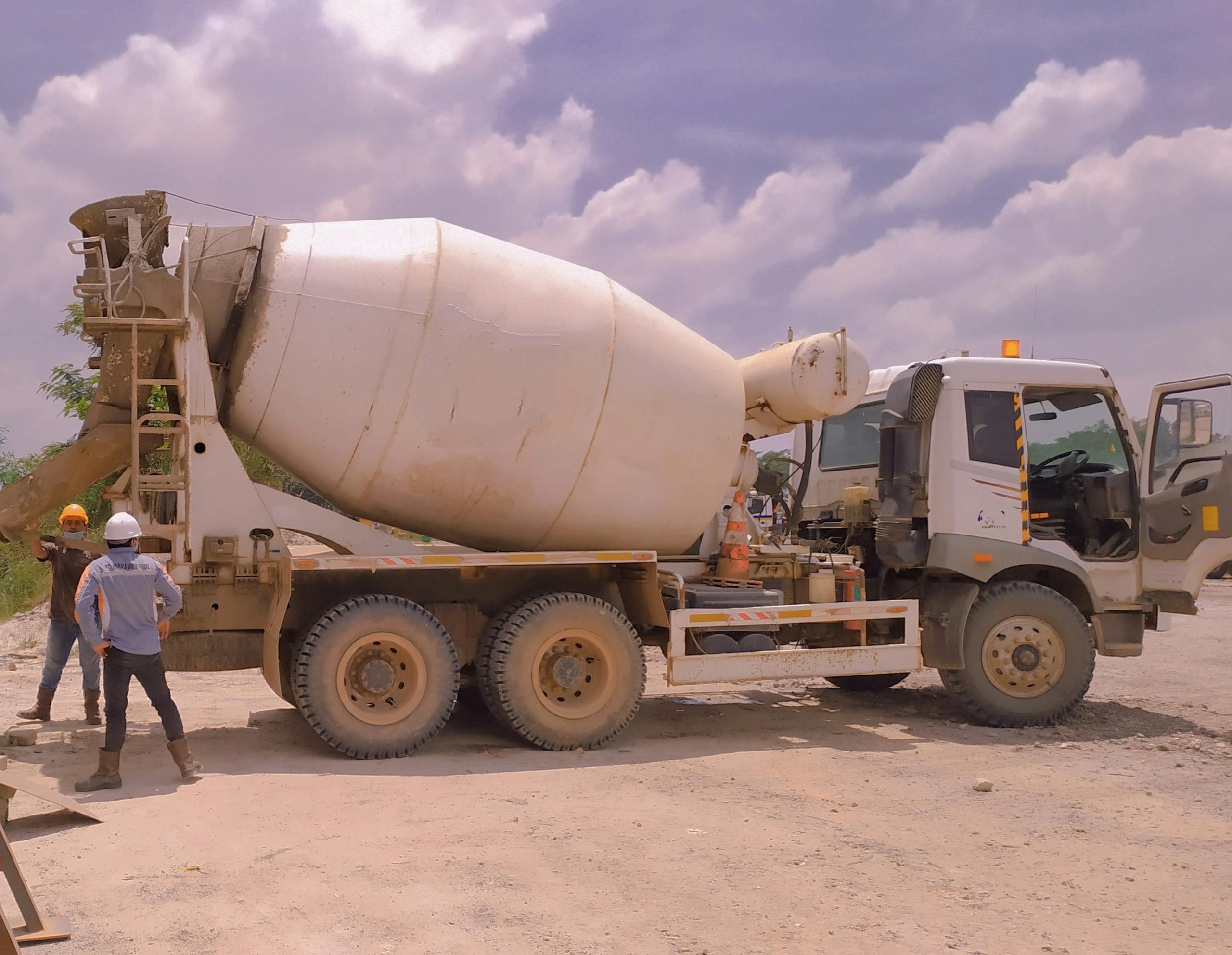
If you are a site manager or owner in 2026, you definitely feel the pressure. Profit margins are tighter, fuel prices change every day, and city planners now have strict rules for green buildings.
You cannot just build structures anymore; you must build in a way that is good for the environment and lowers your carbon footprint. You have to keep your project on schedule, all while still hitting these tough environmental goals.
That machine you rely on every single day- the concrete mixer – has changed significantly. It is no longer just a basic spinning drum on a truck. It has become a high-tech tool that helps you save money, cut down on expensive waste, and reach those tough green targets with ease.
Modern concrete mixers act as smart, on-site factories. They use sensors to stop material waste, electric power to lower emissions, and data tracking to save fuel. By using these new mixers, you can lower your project costs, skip the regulatory headaches, and deliver a “green” project without sacrificing structural strength.
Key Points
- New sensors fix concrete mixes automatically, so you stop throwing away bad loads.
- Electric-drive mixers cut out diesel fumes and noise, letting you work in restricted city zones.
- IoT tracking connects your plant to your site, reducing truck idle time and saving fuel costs.
- Advanced mixer designs handle recycled materials perfectly, helping you meet green building codes easily.
1. Precision Batching: Stopping “Reject Loads”
Ever had to send a concrete truck back because the mix wasn’t right? It’s a massive headache. It wastes time, kills your profit, and creates a mess for the environment.
Old mixers were just spinning barrels. If the moisture was off, you were stuck with a bad load. Modern mixers use sensors to monitor the mix the whole way to the site. If it needs a little water or an adjustment, the truck handles it automatically. By the time it pulls up to your site, it’s ready to pour.
- No Waste: You aren’t tossing out bad concrete anymore.
- Perfect Every Time: The mix arrives at the exact consistency you need.
- Better for the Planet: You stop wasting the energy and materials used to make that cement.
2. Going Electric: Quiet and Clean
It’s 2026. If your site is still full of loud, smelly diesel trucks, you’re missing out. Cities have strict rules on noise and air quality now. Electric mixers are the fix. They have zero exhaust fumes and are practically silent. This changes how you work:
- Work Whenever: Since they’re so quiet, you can pour concrete at night or early morning without waking up the neighbours.
- Get Into Tight Spots: You can work in “low-emission zones” where old diesel trucks aren’t allowed.
- Cleaner Air: Your crew isn’t breathing in diesel fumes all day.
3. Smart Tracking: Cutting Out Waste
You can’t manage what you don’t see. I’ve seen so many trucks sitting in line for hours with their engines running. That’s just watching your fuel budget evaporate. Modern intelligent mixers take advantage of cloud technology in order to be able to communicate. The system will show you all the current traffic conditions, the work speed of the crew, as well as the current truck location.
- Stop Idling: The system prevents unnecessary waiting, thus saving a lot of money on fuel.
- Efficient Routes: The truck always goes through the most optimal routes, avoiding traffic jams.
- Predictive Maintenance: The mixer will alert you to potential breakdowns in order to prevent failure during mixing.
4. The Truth About Recycled Concrete
I hear it all the time: “Green concrete is weak.” Look, that’s just a myth. It’s not weak, it’s just a little pickier about how it’s mixed. Old mixers couldn’t handle recycled stuff like crushed glass or old concrete, so it ended up lumpy and weak. New mixer drums are built differently; they blend these materials perfectly.
- Stronger Mixes: You can use 30% to 40% recycled material and keep the concrete just as strong.
- No Weak Spots: The new blade designs prevent lumps and weak points.
- Easy Certification: It’s a lot easier to hit those green building targets (like LEED) when your concrete is already doing the heavy lifting.
5. Water Management: No More Messy Cleanup
Mixing concrete takes a lot of water. In 2026, saving water is a big deal on-site. In the past, cleanup meant dumping that leftover muddy water (the “slurry”) on the ground. It was messy, it was bad for the soil, and it cost a fortune to clean up. New mixers have closed-loop washing systems:
- Reuse Materials: It separates the sand and gravel so you can use them again tomorrow.
- Clean Your Water: It filters the water so it can be reused for the next batch.
- Avoid Fines: You stop paying for illegal dumping and keep your site clean.
6. Carbon Capture: Locking CO2 Away
We’re at a point where concrete can actually help the planet. The newest mixers can inject carbon dioxide (CO2) right into the mix. The CO2 turns into a solid mineral inside the concrete and gets trapped there forever.
- Permanent Fix: The CO2 never reaches the atmosphere.
- Stronger Stuff: Believe it or not, this actually makes the concrete 5–10% stronger.
- Win More Bids: When you’re bidding for government contracts that demand green goals, having concrete that “cures” with CO2 puts you ahead of the competition.
7. Build It to Last
Sustainability isn’t just about what you pour; it’s about the machines you drive. If you’re replacing mixer drums every couple of years, you’re throwing money and steel away. The newest mixers use tough ceramic liners and better steel. They just last longer.
- More Durable: They handle rough jobs without wearing down as fast.
- Fewer Costs: You aren’t buying new gear every other year.
- Less Waste: Using machines that last longer is one of the easiest ways to shrink your company’s carbon footprint.
Comparison: Traditional Mixers vs. 2026 Smart Mixers
| Feature | Traditional Diesel Mixer | 2026 Smart Mixer |
| Batch Control | Manual / Guesswork | Automated Sensors |
| Power Source | Diesel Engine | Electric / Hybrid |
| Material Handling | Standard / Virgin Only | Optimised for Recycled Aggregates |
| Carbon Impact | High Emissions | Low / Carbon Neutral |
| Water Usage | High Waste | Closed-Loop Recycling |
FAQ: People Also Ask
1. Are electric concrete mixers as strong as diesel ones?
Actually, they’re often better. Electric motors give you instant power, which helps a lot when you’re driving through mud or rough ground where a diesel engine might struggle to get going.
2. Does using recycled materials make the concrete weaker?
Not at all. Older mixers couldn’t blend recycled stuff properly, which caused weak spots. But thanks to the better mixing technology in modern drums, we can blend recycled materials so smoothly that the concrete is just as strong as the standard stuff.
3. How do these “smart” mixers actually save me money?
They save you cash in three big ways:
- You burn less fuel because the system manages the engine to stop unnecessary idling.
- You stop wasting good concrete because the mix stays perfectly consistent.
- You don’t have to pay those high fees for cleaning up and disposing of messy washout water.
4. What is “CO2 injection” or “Carbon-Cure”?
It’s a process where we pump CO2 right into the mixer drum. The gas reacts with the concrete and turns into a mineral, which locks the carbon away permanently. The best part? It actually makes your concrete about 5–10% stronger.
5. Is the higher upfront cost worth it?
It is. Yes, these machines cost about 15–20% more to buy, but they usually pay for themselves within two years. You make that money back through fuel savings, less wasted material, and the fact that you can now bid on bigger “green” construction projects that others aren’t qualified for.
Conclusion
The construction industry is changing fast. If you want to keep winning bids in 2026, going green isn’t just a “nice to have” anymore. It’s how you stay profitable. The humble concrete mixer has grown into a high-tech tool that protects your bottom line just as much as it protects the planet.
Ready to modernise your fleet? Start by checking your records to see how much concrete you rejected last month. When you see that number in dollars, you’ll realise exactly how much a smart, modern mixer could save you.
Call your equipment supplier today and ask about the hybrid models and data packages they have available. It’s time to stop throwing money away and start building smarter.
