
We all know safety is important. But sometimes the pressure to work fast fights against the need to be safe. But here is the hard truth: an accident doesn’t just cost you money or bring the inspectors to your door. It hurts real people. It changes the lives of your workers and their families forever.
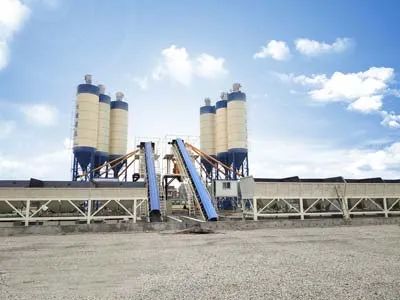
Safety isn’t about filling out boring forms. It is about making sure every single person on your team drives home safe for dinner. Whether you are running massive batching plants or a small local yard, the dangers are exactly the same.
In this guide, we cut through confusing legal talk; instead, we’ll look at real risks, simple rules you actually need to know, and how to fix problems before they happen.
Key Points
- Never reach into a machine to fix it unless you have locked the power off yourself.
- Save your lungs by using water sprays or vacuums instead of a broom to clean up dust.
- A simple morning checklist helps you catch small broken parts before they hurt someone.
- Write down every repair and training session to prove that you run a safe and legal site.
The Rules You Need to Know
Concrete making is hard and hazardous for labors. You work with big gears that smash stone, strong electricity, and dangerous dust. Everyone knows construction has some of the highest injury numbers of any job.
But the scariest part? The biggest danger usually isn’t the machine breaking on its own. It is us. It’s human error.
Did you know that “Lockout/Tagout” violations are on the OSHA top 10 list of fines almost every single year? This is because people get injured in the course of trying to fix machines that are still plugged in. It happens a lot more often than you might expect.
Then there is the danger you can’t see: the dust. Breathing in silica dust can kill you. Experts warn that breathing this stuff over a long time causes a lung sickness called silicosis. It has no cure. It sits in your lungs forever.
The Rules You Need to Know
Let’s break down the big regulations so you can understand what is required for your batching plant.
1. The Dust Rule (The Air You Breathe)
Dust control is a huge deal right now. Inspectors are watching this closely. You need to know how to prevent dust hazards in batching plant operations to keep lungs healthy.
- The Rule: OSHA has a rule about “Silica Dust.” It basically says you have to limit how much dust is floating in the air.
- What this really means: Put the broom away. Seriously. Don’t sweep dry dust. It just floats back into the air and people breathe it. You need to use water sprays or a vacuum with a good filter.
Using wet methods (like water sprays) when cutting or grinding can stop over 90% of the dust.
2. Lockout/Tagout (LOTO): The “Key” to Safety
This is the most important rule for fixing machines. It is all about controlling the power. It makes sure a concrete batching plant cannot turn on while someone is working inside it.
- How it works: Turning a switch to “Off” is not enough. The person fixing the machine must put a physical lock on the power switch. They keep the key in their pocket. No one else can open that lock.
- When to use it: Every single time you do repairs. Whether it is a broken wire or a jammed gear.
3. Electrical Safety Standards
Concrete plants are wet, muddy, and use high power. We all know water and electricity are a bad mix. So, you have to follow the rules.
- Grounding: Make sure your machines connect to the ground right.
- Safety Outlets: Use GFCIs. These are smart outlets that shut off the power fast if they get wet.
- Check Your Cords: This is extra important for mobile batching plants. Since these plants move around a lot, the cables can get cut or worn out easily. Check them often.
4. Noise Control
Plants are loud. Really loud. OSHA rules say that if the noise is too high (above 85 decibels) over a work day, you need to protect your ears.
- The “Shout Test”: Here is an easy check without tools. If you have to yell to be heard by a friend standing three feet away, it is too loud. You need to follow the rules and give your team earplugs.
Taking Action: How to Do It
Okay, so you know the rules. How do you get your team to listen? It is easier than you think.
Get the Right Gear: The PPE Checklist
PPE is your last defense. If things go wrong, this gear saves lives. Here is what your workers need:
- Hard Hats: To stop falling rocks or tools from hitting heads.
- Safety Goggles: To keep dust and chemicals out of eyes.
- High-Vis Vests: So drivers can see people in the yard.
- Steel-Toed Boots: To save toes from heavy dropped items.
- Respirators: N95 masks to stop the bad dust.
Print this list and tape it to every locker. No gear? No work. It’s that simple.
Write Down Your Procedures (SOPs)
Do you have written safe operating procedures? If not, grab a pen. These are just step-by-step guides on how to run the machine safely.
- Start-up: Check that all guards are closed and locked.
- Running: Never turn off safety sensors just to speed things up.
- Shutdown: Make sure the mixer is empty and the power is off.
Here is a pro tip: If you are looking for a concrete batch plant for sale, ask the seller about safety features. Newer machines often have locks that stop the mixer automatically if a door opens. That is a feature worth paying for.
Maintenance Stops Accidents
A broken machine is a dangerous machine. You need to stick to maintenance safety procedures.
- Daily: Use a daily safety checklist for operators. Walk around the plant. Test the emergency stop button. Look for frayed belts. Check hoses for leaks.
- Weekly: Check the big electrical panels and the bolts that hold the structure together.
Plan for Emergencies
When accidents happen, people panic. You need a clear plan so everyone knows what to do.
- Fire: Do you have extinguishers? Are they the right type for electrical fires?
- First Aid: Is the kit full?
- Escape: Does everyone know where to run if there is a fire?
Staying Legal
Wondering how to keep your plant legal for the long run? The secret is simple: write everything down.
- Keep a logbook. Write down every training class, every repair, and every check-up. If an inspector shows up, this book proves you are doing your job.
- Also, don’t forget environmental safety rules. This includes how you get rid of the water used to wash trucks. It has a high pH (it’s very basic) and needs to be treated before you dump it.
- Stay updated on the ready mix concrete plant safety regulations OSHA puts out. Rules change, and you don’t want to get left behind.
Frequently Asked Questions
1. How often should I train my team on safety?
Train every new worker on their very first day. But don’t stop there. Do a refresher class at least once a year. If you get a new machine or change the work, train them again right away.
2. Is there an age limit for working on a batch plant?
Yes. Labor laws generally say no one under 18 can operate power-driven hoisting tools or heavy factory machinery. It is considered too dangerous for young workers.
3. Is it allowed to use compressed air to blow dust off my clothes?
No! Never do this. OSHA strictly prohibits cleaning workers with compressed air. It can blow dust into your eyes or skin, and put that hazardous silica dust right back into the air you breathe.
4. What is a “Serious” violation versus a “Willful” violation?
A “Serious” violation means there is a high probability of injury that the boss should have known about. A “Willful” violation is much worse. It means the boss knew the rule and ignored it on purpose.
5. Will I need a permit for the water runoff at my plant?
Yes, typically. Most plants must have a permit under the Clean Water Act to discharge either storm water or process water. The testing of water to ensure it’s not contaminating the land around you
Conclusion
Running a concrete site is hard work. But your site doesn’t have to be dangerous. By following these simple rules, you are doing more than just dodging fines. You are building a place where people feel safe.
When your team knows you care about their safety, they work harder and better. Don’t wait for an accident. Check your safety steps today.
If you need help finding safer machines or want advice on the best equipment for you, we are here to help. Ready to make your concrete production safer and better? For expert advice and high-quality equipment, contact Batchcrete International today.
