
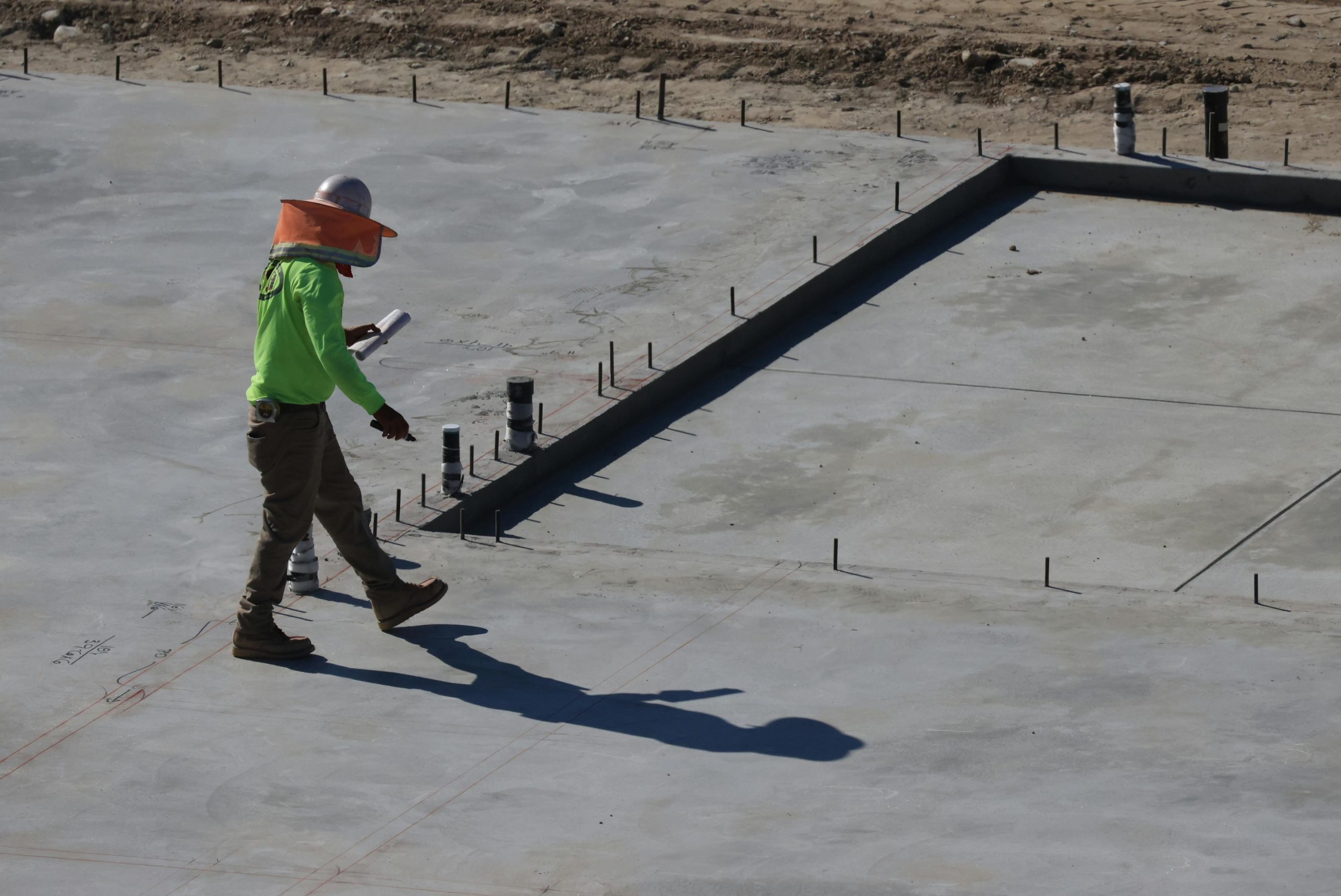
You are standing on site, and the inspector just handed you a defect notice. Every Queensland builder’s worst nightmare is tearing up a concrete slab. Currently, materials are expensive, time is of the essence, and good tradies are hard to find. If your concrete fails an inspection, your budget will be ruined, and your reputation will suffer.
If you want your concrete work in Queensland to meet concrete standards, you have to follow AS 3600 and AS 2870. You do this by getting your steel placement right, getting your water-to-cement ratio right, and doing your 7-day cure right. Inspectors check your concrete work on these exact aspects in order to prevent cracking in your concrete and rusting in your steel.
Key Takeaways
- You must follow AS 3600 and AS 2870 rules for all Queensland concrete slabs.
- Inspectors will always check your steel cover and bar chair spacing before pouring.
- Adding extra water on-site ruins your concrete strength and will fail your test.
- Using reliable mixing gear gives you a perfect, compliant pour every single time.
What Are the Main Queensland Concrete Standards You Need to Know?
If you pour concrete in Queensland, you cannot ignore the Australian Standards. You need to know the basic rules that keep your buildings standing strong.
-
Australian Standard AS 3600 (Concrete Structures)
This is the main rulebook for commercial and large concrete jobs in Australia. AS 3600 tells you exactly how strong your concrete needs to be and how it should hold up against fire and weather. In my experience, builders who treat AS 3600 like a suggestion are the ones fixing broken slabs a month later.
-
Australian Standard AS 2870 (Residential Slabs and Footings)
For home builds, AS 2870 is the guide you must follow. It focuses a lot on the soil, especially Queensland’s tricky clay soils that shift and move. You have to change how deep you dig and how much steel you use based on the dirt you are building on.
What Do Concrete Inspectors Actually Look For?
“The difference between a passed inspection and a $15,000 mistake usually comes down to just 10 millimeters of steel cover,” says David M., a senior structural engineer.
When the certifier shows up, they are not just looking around. Here is what actually works to get their approval.
-
Getting the Steel Cover Right
The mistake I see most often is builders rushing when they place their bar chairs. The inspector will use a tape measure to check the gap between your steel mesh and the edge of the formwork. If your steel sits too close to the dirt or the edge, water will get in and rust the steel, causing the concrete to break apart.
-
Checking the Slump and Site Water
Inspectors really care about how much water is in your concrete mix. A “slump test” checks how wet and workable the concrete is before you pour it. If your team adds extra water to the truck just to make the concrete easier to push around, the inspector will catch it and fail the pour.
-
Shaking Out the Air Pockets
Air bubbles are terrible for your slab’s strength. Inspectors want to see you using a mechanical vibrator during the pour. This shakes the wet concrete so it settles tightly around the steel bars. Using good batching equipment, like the machines from Batchcrete International, makes sure your mix is smooth and ready to pour perfectly.
Stop Worrying So Much About the Mix
Most construction blogs will tell you that the secret to a perfect slab is buying the most expensive, highest-strength concrete mix. Here is the truth that most miss: The mix design is rarely the problem; your curing process is usually what fails.
You can buy the best concrete in Queensland, but if you let it bake in the hot Brisbane sun without a curing cover, it will crack. Concrete does not just “dry out”; it hardens through a chemical reaction that needs moisture. If you do not lock that moisture in for at least a week, you have wasted your money on good concrete.
The Simple Pre-Pour Checklist for Queensland Builders
Use this checklist to make sure your site is ready for the inspector.
| Construction Step | What You Need to Do | What the Inspector Checks |
| Site Prep | Lay down the plastic vapor barrier and tape it perfectly. | No holes, rips, or gaps in the plastic. |
| Placing Steel | Tie the steel mesh tightly and space out your bar chairs. | Exact distance from the steel to the edge (usually 40-50mm). |
| Formwork | Brace your wooden forms so they do not blow out. | Straight, level boards that can hold heavy wet concrete. |
| The Pour | Do a slump test and use your concrete vibrator. | No extra water added; no empty air pockets in the mix. |
| After the Pour | Put a curing compound or wet cover on right away | Making sure the top does not get dry shrinkage cracks. |
Frequently Asked Questions
1. What is the minimum concrete cover for a slab in QLD?
For most regular house slabs poured on the ground, you need at least 40mm of concrete covering the steel. If you are building right next to the beach, you usually need 50mm or more to stop salty air from rusting the metal.
2. Who comes to inspect concrete slabs in Queensland?
By law, a licensed building certifier or a structural engineer must inspect your slab. They have to sign a paper saying your site is ready before the concrete trucks are even allowed to start pouring.
3. Is it okay to add water to the concrete truck on my site?
No, you should never add unmeasured water to the truck on site. Adding water weakens the concrete and usually voids your warranty with the company that mixed it.
4. How long do I need to cure concrete to meet AS 3600?
The rules say you must keep the concrete curing for at least 3 to 7 days, depending on the weather. In Queensland’s hot climate, it is super important to start curing immediately so the water doesn’t evaporate too fast.
5. What do I do if my concrete slab fails the inspection?
If you fail before the pour, you just have to fix the steel or the boards and call the inspector back out. If you fail a strength test after the concrete is already hard, you might have to smash the whole slab and pay to do it all over again.
Conclusion
Passing Queensland concrete standards does not have to be a stressful guessing game. If you measure your steel gaps carefully, stop people from adding extra water, and keep the concrete wet while it cures, you will pass your inspections with ease. A great pour always starts with good planning and the right tools for the job.
Want to make your concrete jobs easier and more reliable?
Do not let bad mixing gear ruin your hard work on site. Partner with Batchcrete International for top-quality concrete equipment that gives you a smooth, compliant mix every time. Check out Batchcrete International today to get your crew the right tools for a perfect pour.
