
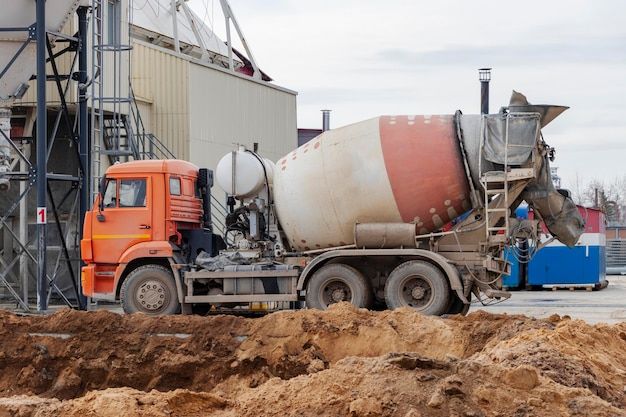
We all know mixing concrete by hand is hard. You have to hurry before it dries, and you always wonder, “Is this batch okay?” A bad batch ruins the job. It leads to weak spots and cracks, making your work look unprofessional.
You know a machine is the answer. But when you look at concrete mixers, it’s confusing. There are so many types and sizes. Pick the wrong one, and you either waste your time with a mixer that’s too small or waste your money on a giant one you don’t need.
But don’t worry. This guide makes it simple. Let’s find the right mixer for your job.
Key Points
- Choose an appropriate mixer size for the volume of concrete that will be needed on your project.
- Mix your concrete in a drum mixer for general applications and a pan mixer for quality concreting applications.
- Choose an electric mixer for quiet, indoor work and a gas/diesel one for power anywhere.
Knowing Why the Right Mixer Matters (The Problem)
Picking a mixer is not just about making your life easier. It’s about the quality and success of your entire project. The wrong machine can cause some serious headaches:
- Bad Concrete: A mix that is too dry becomes lumpy and can’t be worked with properly. This can result in weak foundations or cracked walls.
- Wasted Time: A mixer that is too small will waste your time. You’ll be mixing tiny batches all day. A job that should take a few hours becomes a whole day of work.
- Wasted Money: A bad mix means wasted materials. It’s like throwing money away. A machine that breaks down also costs you money in repairs and delays.
Looking at Your Options (The Choices)
Let’s look at the main choices you’ll have. It really comes down to two things: how the mixer works and what powers it.
Types of Mixers: Drum vs. Pan
You’ll mostly see two types of mixers: drum and pan. They do the same job but in very different ways.
1. Drum Mixers
This is the classic concrete mixer that you probably picture. It’s a big, round drum that spins around. Inside, paddles spin around to mix everything. It’s like a giant kitchen mixer. This makes a smooth and strong mix in less time.
- Tilting Drum: You can tip the whole drum over to pour out the concrete. They’re super easy to clean.
- Reversing Drum: The drum spins one way to mix and the other way to push the concrete out.
2. Pan Mixers
A pan mixer works differently. The pan itself stays still, kind of like a big bowl. Inside, paddles spin around and whip through the materials. Think of it like a giant kitchen mixer. This action makes a very smooth and strong mix, and it does it fast. Pan mixers are the top choice for special jobs like:
- Super-strong or precast concrete
- Dry mixes and special grouts
- Concrete with colour, because it blends the pigment perfectly
Power Source: Electric or Diesel/Gas?
Where you work will help you decide this.
1. Electric Mixers
They have no fumes, which makes them great for indoor jobs or in quiet neighbourhoods. Their only downside is that they need to be plugged into a power outlet.
2. Diesel/Gas Mixers
They are more powerful, operate under their own power, and you can literally take them anywhere. The trade-offs are that they’re loud, produce exhaust fumes, and require a bit more maintenance, like oil checks.
Making Your Final Choice (The Decision)
Now let’s pick the right one for you. Just answer these five simple questions.
1. How big is your job?
The size of the drum determines how much concrete you will have at one time.
Small Jobs (2-5 Cubic Feet): It is an ideal size for little projects such as setting fence posts, patching a sidewalk, or pouring a small slab.
Medium Jobs (6-9 Cubic Feet): This is the most popular size for builders. It’s great for larger jobs, such as driveways, patios, and foundations.
Big Jobs (10+ Cubic Feet): If you have huge commercial projects, then you are going to need a giant, towable mixer or even a full concrete mixing plant to keep up with the demand.
2. How much do I need to move it around?
Think about your job sites: Are you in a backyard with a narrow gate or out in an open field?
A portable concrete mixer unit in a wheelbarrow style is awesome for getting through tight spots. If you’re on a bigger site and need to tow the mixer behind your truck, find one with a good frame and good tyres.
3. What type of concrete am I making?
Let’s keep this simple. For 9 out of 10 regular construction jobs, a good old drum mixer will be your best friend. But if you’re doing something fancy like countertops, architectural panels, or need super-strong concrete, a pan mixer will give you that perfect, high-quality result every time.
4. What’s my budget plan? (Buy or Rent)
Buying: If you do concrete work often, check out some concrete mixers for sale. Owning a good one is a smart investment that will pay for itself.
Renting: Just need a mixer for a weekend project? A cement mixer rental is the way to go. No need to worry about storage or maintenance.
For better understanding, read the following blog about the cost analysis.
5. What features are important? (And what about cleaning?)
Look for signs of a well-built machine. A thick steel drum (not plastic), solid rubber tyres that won’t go flat, and a motor from a brand you trust. And remember, you have to take care of it!
Your routine maintenance checklist is basic:
- If you’re finished, wash the drum and paddles out with a hose.
- Check the oil and gas if it’s an engine model.
- Also, periodically have a look at the belts to make sure they do not appear worn.
- Keep moving parts greased.
Frequently Asked Questions (FAQs)
1. Is there a difference between a “cement mixer” and a “concrete mixer”?
Both names are used by people, but “concrete mixer” is a more accurate name. Cement is the powder alone. A concrete mixer mixes the powder with sand, stone, and water to create the concrete.
2. How much concrete do I actually get from a small mixer?
You get a little less than the size of the mixer. A 3.5 cubic foot mixer will make about 2.5 to 3.0 cubic feet of wet concrete. This is because the dry mix gets smaller once you add water.
3. How good are mixers with plastic drums?
A plastic drum would be okay for very light home use because it’s light and won’t rust. For serious or professional work, though, you need a steel drum that can take the rocks and heavy usage.
4. For how long should I mix the concrete?
Let it mix for 3 to 4 minutes after adding the water. Too long mixing is just as bad as too little. So make sure to observe the process carefully.
5. Can I use a regular concrete mixer for mortar?
Yes, for most jobs, you can mix mortar in a standard drum mixer. But if a very smooth mix is required then a pan mixer will do a better job.
Conclusion
See? Choosing a concrete mixer isn’t so hard. Just think about your job size, mix type, and budget. You’ll find a machine that helps you, not works against you. The right mixer helps you do better work, faster and more professionally.
Give Batchcrete International a call today! We have a range of concrete mixers for sale and rent. We’d love to talk about your project and help you find a reliable mixer.
